
Reviewed · ANTIGUA
Coffee and Gastronomic Bike Tour in Antigua
Antigua’s coffee country sits just beyond the cobblestones, and this four-hour ride gives you a practical way to reach it without booking a private car. You pedal through town, tour Finca La Azotea, taste coffee and chocolate, then stop for Guatemalan sweets and drinks in San Felipe de Jesús.
I like the mix of coffee education and everyday food culture, plus the small group size, capped at nine people. I also like the company’s local-community focus, which gives the $41 price more weight than a simple plantation visit. The main catch is the cycling: Antigua’s uneven streets and traffic can be tiring, especially if you are not used to a bike or regular exercise.
Key points at a glance
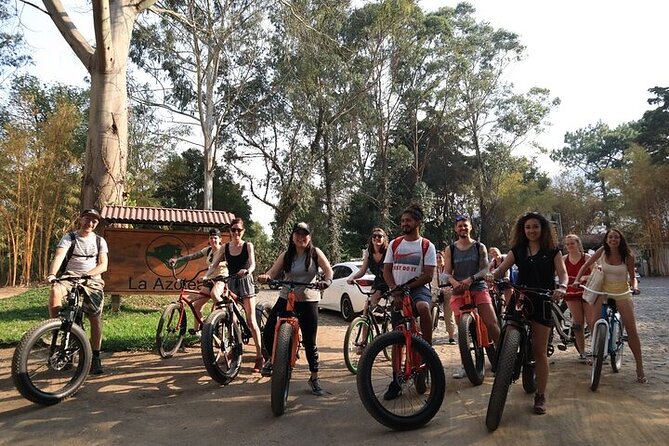
- Fat-tire bikes handle Antigua’s cobblestones: The wide tires and sturdy frames help, but they do not remove the bumps or traffic.
- Finca La Azotea gets two full hours: You learn how coffee is grown, processed, roasted, and tasted, with museum access included.
- The food stops are part of the main event: Expect coffee, chocolate, candies, savory bites, and several local drinks, not just a single coffee sample.
- San Felipe de Jesús offers a local-town stop: You can see wood and clay crafts and learn how traditional Guatemalan sweets are made.
- Small groups make the ride personal: The maximum is nine, and guides such as Pablo, Diego, Carlos, and Farrah have been praised for explaining both coffee and Guatemalan culture.
- Budget roughly half a day: The tour starts and ends at 25 A, 2a Calle Poniente 25 in Antigua and costs $41 per person.
Why this bike tour works better than a basic coffee visit
Many coffee outings take you directly to a farm and return you to town. This one adds movement, food, craft, and local history, so you get a wider look at life around Antigua in a short stretch of time.
The bike is useful rather than decorative. You can cover the distance to the plantation, move between stops, and see parts of the area that would be easy to miss from a vehicle. The ride also gives the day a little energy. This is not a passive museum visit followed by a tasting.
The tradeoff is clear. You are not spending four hours on quiet country roads. The route begins on Antigua’s cobblestones, where the surface is rough and traffic requires attention. Some people find the fat-tire bikes comfortable and stable, while others find the bikes heavy or the ride harder than expected.
I would call the physical demand moderate, with the most awkward section in and around Antigua. You should feel comfortable riding a bike, stopping often, and handling uneven streets. Breaks are built into the route, and the pace can be manageable for an active rider, but this is not the best pick if you want a completely relaxed morning.
Other Antigua trips people book alongside this one:
- Adventure Antigua – The Xtreme Circumnavigation
★ 5.0 · 959 reviews - Turtle Beach Power Snorkeling Adventure
★ 5.0 · 521 reviews - Hike to Pacaya Volcano from Antigua
★ 4.5 · 502 reviews
Starting from Antigua’s cobblestone streets
You meet at the CA Travelers office at 25 A, 2a Calle Poniente 25. The same location is used at the end, so you do not need to arrange a separate ride back to your hotel.
The company provides the bicycle, a helmet, and water. The bikes use wide tires that help on Antigua’s stone streets. You still need to stay alert around traffic and give yourself time to get used to the bike before the route gathers speed.
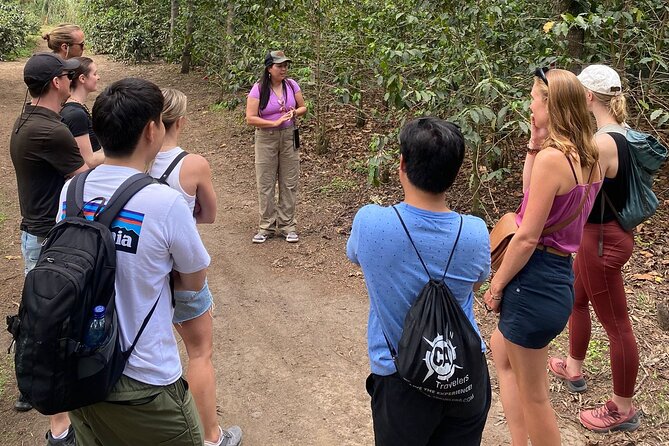
Guides lead the group through the streets and help with navigation. Pablo, Diego, Carlos, and Farrah are among the guides associated with this experience. The strongest part of the guiding is not simply pointing out landmarks. The guide connects the coffee trade, local food, Guatemala’s past, and daily life in the villages outside Antigua.
The group limit of nine matters here. A small group makes it easier to ask questions, keep a steady pace, and stop for food without turning the outing into a large production. It also helps the guide adjust the experience when riders need a short pause.
Two hours at Finca La Azotea
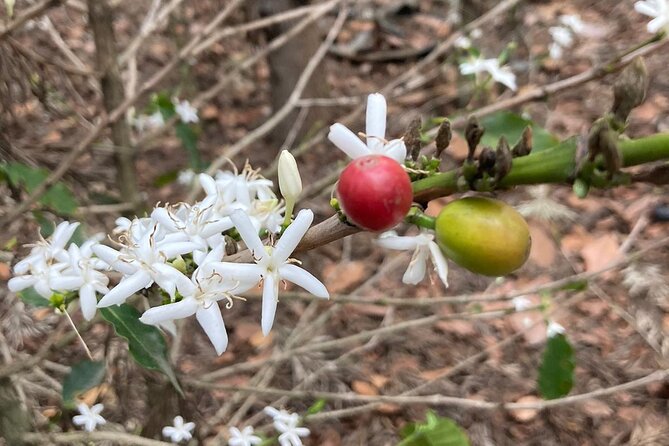
The plantation is the heart of the tour. You ride among coffee plants and shade trees on trails that provide a welcome change from Antigua’s stone streets. The setting gives you a better sense of coffee as an agricultural product rather than a bag on a supermarket shelf.
Inside the coffee museum, the guide explains the process from picking the bean through processing and roasting. You learn about the work involved at each stage and how different varieties and blends affect the final cup.
That background is useful because coffee production is easy to reduce to a few familiar words: plant, pick, roast, drink. At the finca, you see how many decisions come between the crop and the finished beverage. The process is labor-intensive, and the tour helps you understand why origin, handling, and roasting matter.
The coffee tasting is one area where expectations need managing. Coffee is included, but the amount may be modest, sometimes just one small cup. If you are booking this mainly for repeated tastings, you may find the sampling limited. If you want to understand production and enjoy a fresh cup as part of a wider food tour, it fits well.
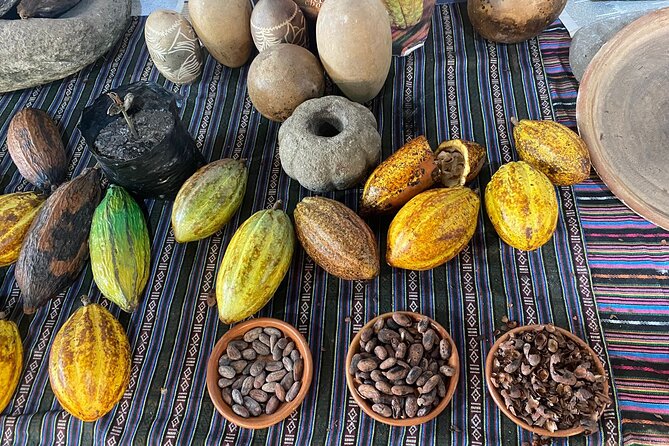
Some departures also include chocolate instruction and samples at the plantation or museum area. The cacao portion adds variety and gives you another way to see how a local crop becomes a familiar treat. It is especially useful if you have already done a standard coffee tasting in Antigua and want something broader.
The plantation is also where the cycling becomes most pleasant. The roads and trails away from town feel calmer, and you get time to look at the plants, shade trees, and distant volcano views when conditions allow. The route is not an all-day mountain ride, but it rewards you with a countryside setting that a walking tour cannot reach.
San Felipe de Jesús and the food stops
After the plantation, the group rides about 10 minutes to the village of San Felipe de Jesús. The village stop shifts the focus from farming to making and selling.
At the handicraft market, you learn about local work in wood and clay. The important point is not just shopping. The stop shows you the hands-on skills behind objects that can seem anonymous in a souvenir shop. If you want to buy something, bring a small backpack. The company can provide one if needed, but your own bag is more convenient.
Traditional Guatemalan candies are another highlight. You see how they are made and taste local sweets rather than only hearing about them. The food component changes from a formal plantation tasting to small, familiar bites connected to the community you are visiting.
On the way back to Antigua, the group stops for drinks including fresco de suchiles, a fermented beverage sometimes compared with kombucha. You may also sample other local drinks, depending on the day’s route and vendors. These stops can feel spontaneous and informal, which is part of their appeal. They give you a taste of what you might not order on your own.
Food samples reported on different departures have included sweets, savory items, tostadas, tacos, coffee ice cream, chocolate, and other local bites. The exact selection is not fixed in the information provided, so do not book expecting a precise tasting menu. Think of it as a moving introduction to local snacks.
One practical note deserves attention. The operator says the vendors are long-standing partners and that the water provided is filtered drinking water. A past complaint raised concerns about street-vendor food and a guide’s health, while the company disputed those claims and said hygiene procedures were followed. If you have a sensitive stomach, allergies, or strong concerns about informal food stalls, tell the guide before eating and use your own judgment.
Same island, a completely different kind of day:
- Scenic Full Day Tour of Antigua
★ 5.0 · 472 reviews - Snorkel – Lobster Lunch Cruise to Bird Island and Paradise Reef
★ 5.0 · 438 reviews - Lake Atitlan One Day Tour from Antigua
★ 4.5 · 288 reviews - Adventure Antigua – Eli’s Original Eco Tour
★ 4.5 · 238 reviews
What the cultural commentary is like
The tour is not limited to coffee facts. Guides may discuss Guatemala’s past, indigenous communities, social conditions, and the effects of political conflict. For many people, that context makes the coffee and craft stops more meaningful.
You should also know that the tone can depend heavily on the guide. Most of the supplied feedback praises the guides for explaining Guatemala with energy and care. One account raised concerns about political opinions and comments connected to religion and international affairs. The company denied that discriminatory remarks were made and said cultural questions were answered in a factual, respectful way.
My practical advice is simple: expect candid cultural discussion, but feel free to steer the conversation back to coffee, food, and local life if politics is not what you want from a bike tour. The subject matter can be worthwhile, yet personal delivery matters. This is one reason a small group can help, since you can ask direct questions and communicate what interests you.
Finishing with a cold beer in Antigua
The ride ends back at the CA Travelers office, where you receive a complimentary cold beer, usually a Gallo according to the supplied details. It is a pleasant finish after the cycling and gives the group a chance to settle down before heading out for the rest of the day.
The beer is a small inclusion, but it helps explain the value of the package. For $41, you get about four hours of guiding, bike use, helmet, water, admission to the coffee attraction, food and drink samples, the village visit, and the final beer. A coffee plantation entry alone can account for a good part of the cost of a half-day outing.
The value is strongest if you want several experiences in one booking. You get more than a plantation tour, but less than a full culinary tour with a guaranteed meal. If your priority is drinking large amounts of specialty coffee, the price may feel less compelling because the coffee tasting itself is limited.
The tour is often booked about two weeks ahead, so I would reserve early if your Antigua schedule is tight. Confirmation arrives within 48 hours, subject to availability. Free cancellation is available up to 24 hours before the start time. Poor weather or an insufficient minimum group can lead to a rescheduled tour or full refund.
Who should book this ride?
I would recommend it to you if you want an active half-day with several layers: plantation scenery, coffee production, local snacks, craft traditions, and a little history. It suits solo riders, couples, friends, and families with participants who can comfortably ride a bike.
It is especially good for first-time visitors who want an introduction to Guatemalan food and coffee without spending an entire day on a formal excursion. The small group and named guides add a personal feel, and the local-community work gives you another reason to choose this company.
I would hesitate if you dislike uneven roads, traffic, or informal food stops. I would also look elsewhere if you want a serious coffee cupping session with several carefully prepared pours. This outing is broader and more social than technical.
Should you book the Coffee and Gastronomic Bike Tour?
Book it if you can handle a moderate bike ride and want to connect Antigua with the farms and villages around it. The best parts are the ride through Finca La Azotea, the clear look at coffee production, the mix of sweet and savory tastings, and the chance to see crafts and drinks outside the usual Antigua circuit.
Go in with realistic expectations: the ride is not effortless, the cobblestones can be rough, and the coffee tasting may be smaller than the name suggests. At $41, though, the combination of equipment, admissions, guiding, samples, village stops, and a final beer makes this a strong-value half-day for an active visitor.
FAQ
How long is the Coffee and Gastronomic Bike Tour?
The experience lasts approximately four hours, including the plantation visit, the San Felipe de Jesús stop, the return ride, and the final beer in Antigua.
Where does the tour start and end?
You meet at 25 A, 2a Calle Poniente 25, Antigua Guatemala 03001. The tour ends back at the same meeting point.
How many people can join the tour?
The maximum group size is nine people.
Is coffee included in the tour?
Yes. Admission to Finca La Azotea and its coffee museum is included, along with coffee sampling. The amount of coffee may be limited, so this is not designed as an extensive tasting session.
Can most people participate?
Most people can participate, but you should be comfortable riding a bicycle on cobblestone streets and around traffic. The bikes are fat-tire models, and the ride includes countryside trails as well as town roads.
What is the cancellation policy?
You can cancel up to 24 hours before the start time for a full refund. Changes or cancellations made less than 24 hours before departure are not accepted. If poor weather or an insufficient minimum group causes cancellation, you can choose another date or receive a full refund.
Just added around Antigua
- Tuk Tuk – Historical Harbour, Beach & Beers!★ 4.5 · 7 reviews
- Sunset party at Shirley Heights – PRIVATE round trip★ 5.0 · 4 reviews
- Catamaran private charter★ 5.0 · 7 reviews
- Haffu come back Taxi Service★ 5.0 · 5 reviews
- Stunning Antigua And Barbuda Island Tour★ 4.0 · 6 reviews
- Outback Antigua Tour★ 5.0 · 10 reviews
- Hike Antigua Tour – Conquer the Hill★ 5.0 · 4 reviews
- Biggvee Bus Adventure★ 4.5 · 6 reviews